What happens when labels meet logos?
What happens when labels meet logos?
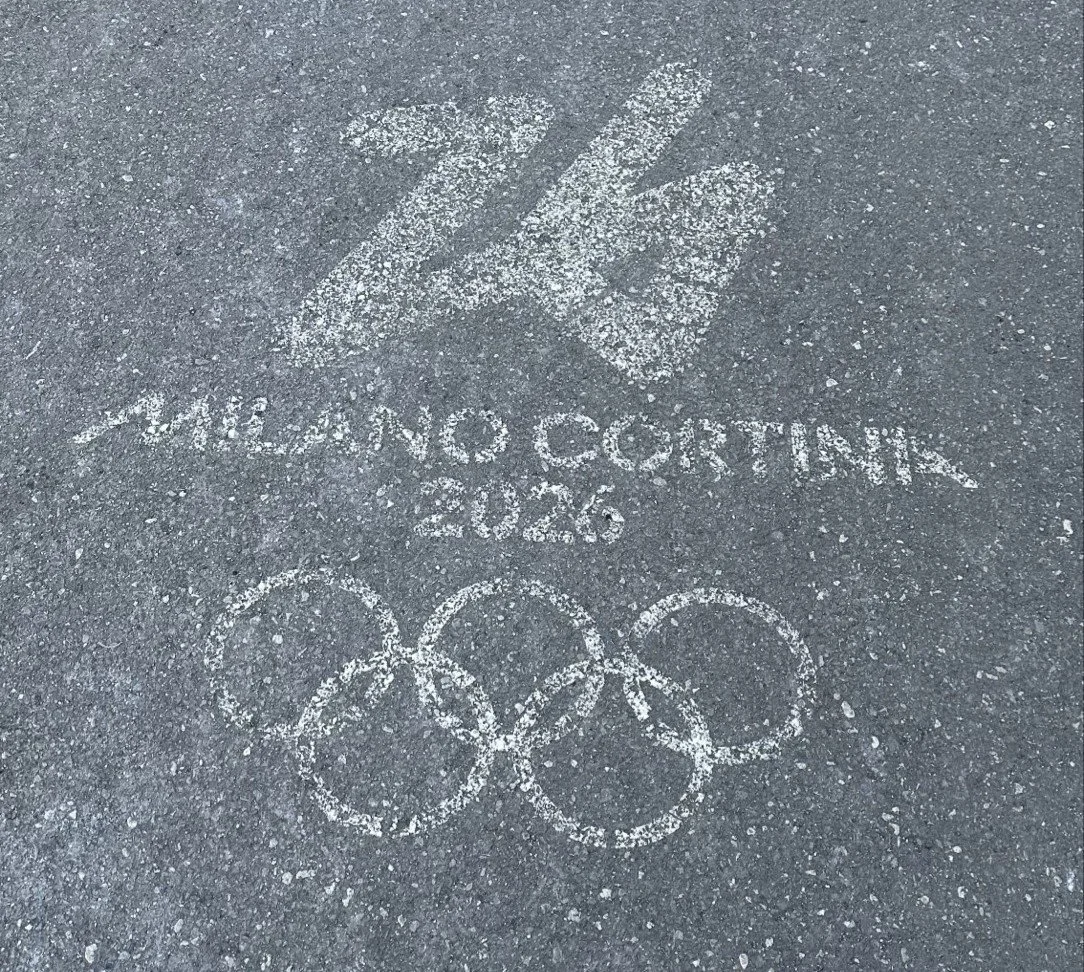
That's what I set out to discover at the Milano Cortina Olympics.
How would a city so renowned for the Duomo, its architecture and its style, meld with an event that is driven so mightily by commercial interests?
Upon arrival in Milano, I had my answers.
I was immediately drawn to clean white sponsor names glowing high above the streets. Winter sport pictograms etched in light against heritage facades. Turns out there's a deep historical connection with lights and Milan. In the 1950's, the city was in its neon era with major companies gaining exposure through the power of the glow. Landmarks such as the Galleria and Duomo followed suit with illuminated facades.
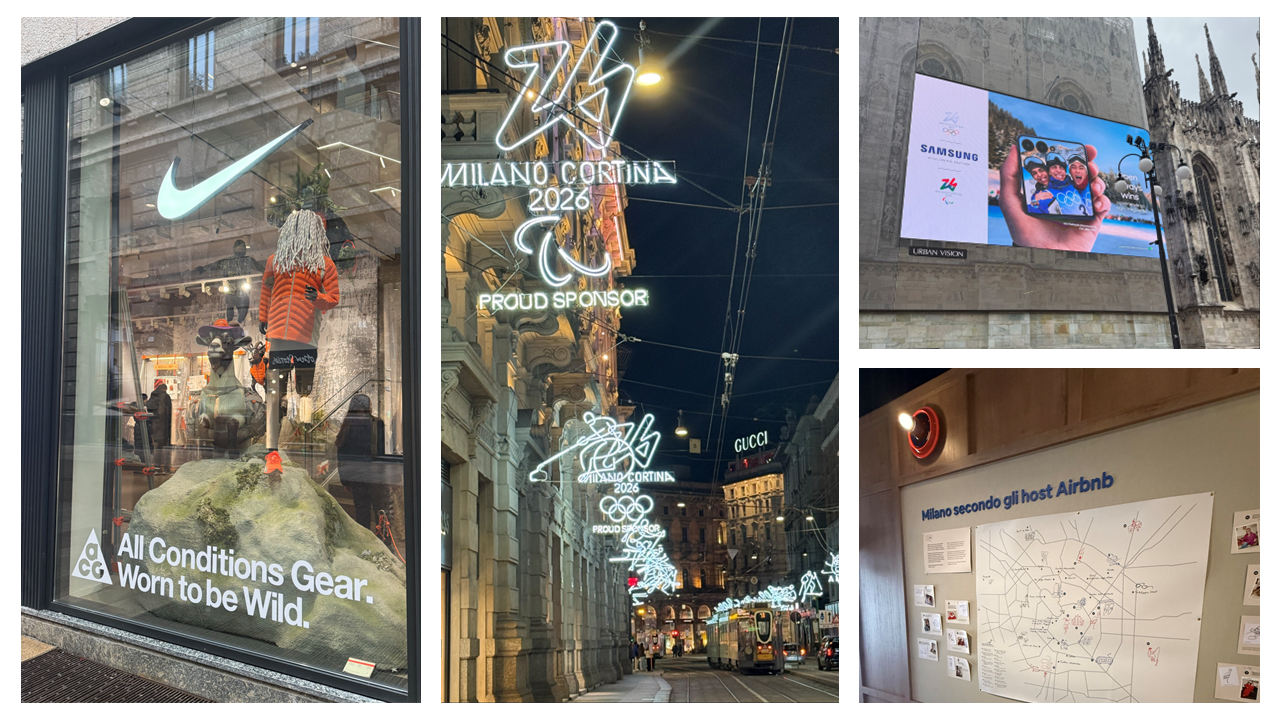
Then Fashion Week followedsuit. Every September and February, Milan transforms into a city of white-lit installations, minimalist typography, and architectural glow. White light in Milan signals luxury, restraint, and confidence. It says, "We don't need to shout."
They delightfully applied that approach to their Olympic sponsor signage.
In a city that defines global design, they understood that delivering brand impact in this consistent manner would be tremendously beneficial in driving the equity transfer a partner seeks in sponsorship. The lights are beautiful. The placement enhances and doesn't clutter. The colonnades and cornices enhance the impact, and overall, it is premium.
Sensitive yet strong. That's my top takeaway from MICO brand partnerships.
MH3
PS - I asked a few industry friends for their perspectives on MICO 26….enjoy.
Matthew Lee-Logue, Co-Founder, The Greater | Toronto, Canada
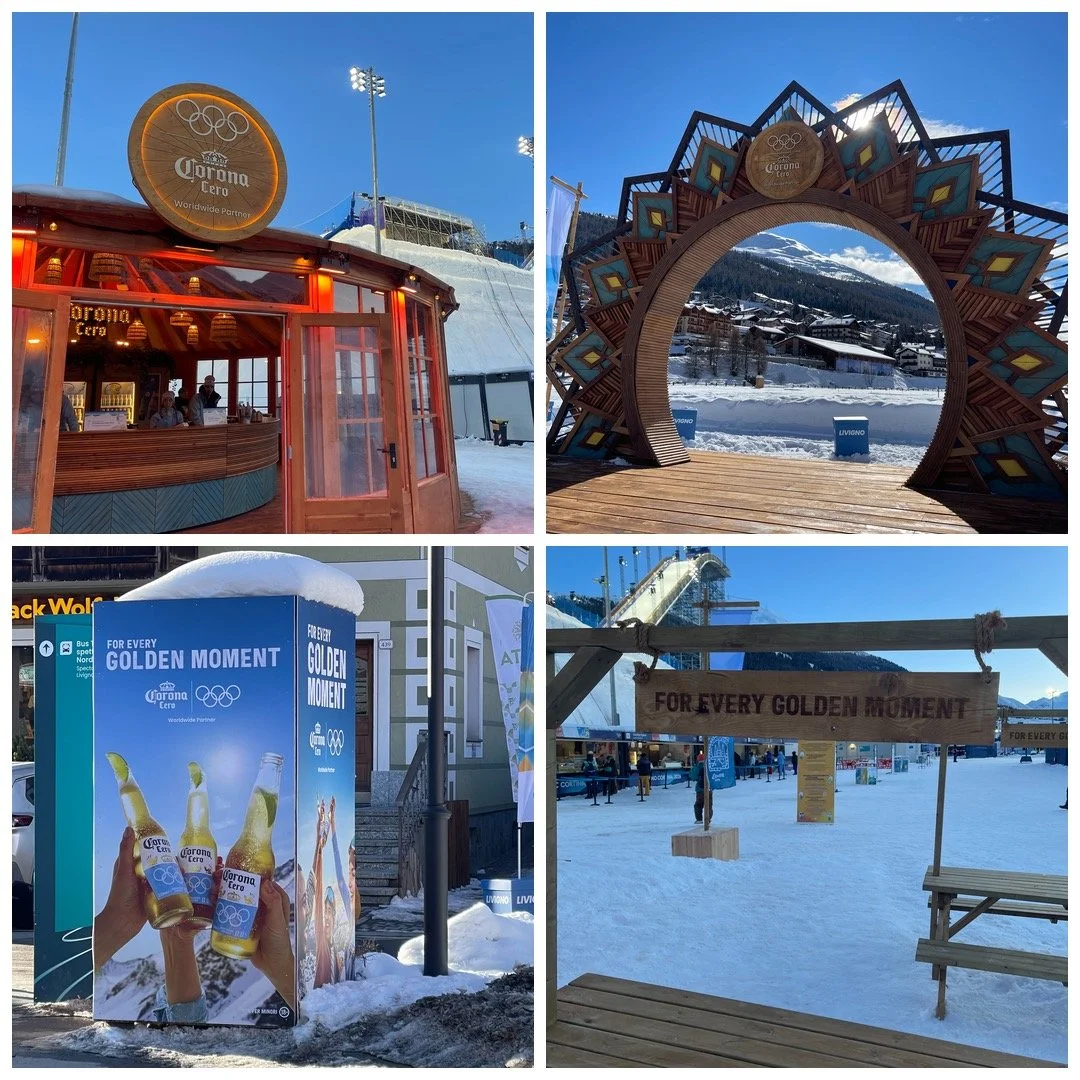
Corona was the standout sponsor by activating the brilliant basics. Versus Paris where venue rules limited beer sales and visibility, in MICO it was the opposite: they were everywhere. Brand ambassadors moved through crowds in head-to-toe corona colours, custom build outs were equal parts photo opp and functional bar, fan seating areas were draped with corona blankets to stay cozy, and even the small details spread from official sites to local bars where branded ski and snowboard racks were commonplace. Each day as the sun bounced off the snow onto their custom wood installations their "golden moments" platform perfectly came to life. Not wildly innovative, just relentlessly consistent—and it worked. You can't win in sponsorship if you don't break through, and you can't improve fan consideration or conversion without first owning awareness. The Corona mix of dominance and exclusivity absolutely paid off.
Jordan Guard, Founder & Managing Director, Women's Sports Alliance | London, UK - Remote
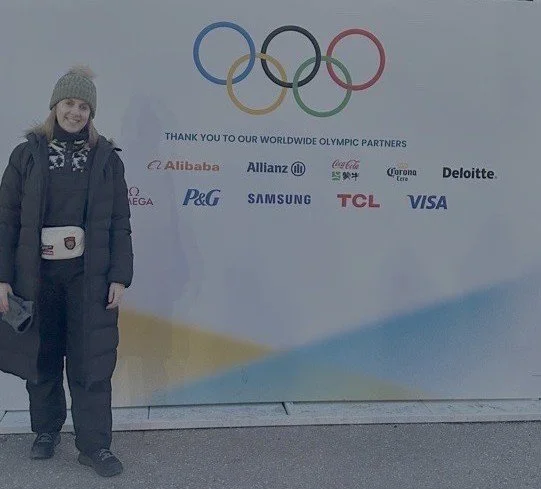
Being on the ground in Cortina this past week, the momentum behind women's sport was impossible to miss. These are the most gender-balanced Winter Games in history, with women making up 47% of athletes, and you can feel that progress in the venues.
The female athletes drawing the strongest reactions were also building audiences in real time.
Eileen Gu earned around $23 million last year, almost entirely from endorsements built over four years of shaping a personal brand alongside her sporting career. Watching her compete up close, you can see exactly why sponsors invest. The narrative around her skiing, the preparation, the setbacks, the personality that comes through between runs, it all compounds commercially.
But she wasn't alone. Federica Brignone's double gold on home snow at 35, less than a year after serious injury, produced one of the defining crowd moments of the Games. Breezy Johnson's downhill victory by just 0.04 seconds, four years after crashing on the same course, carried the same emotional pull.
Performance opens the door. The athletes who consistently build and share the human story alongside it are creating the depth of connection sponsors increasingly pay for.
Armaan Ahluwalia, Sports Commercial Strategy Consultant | London, UK
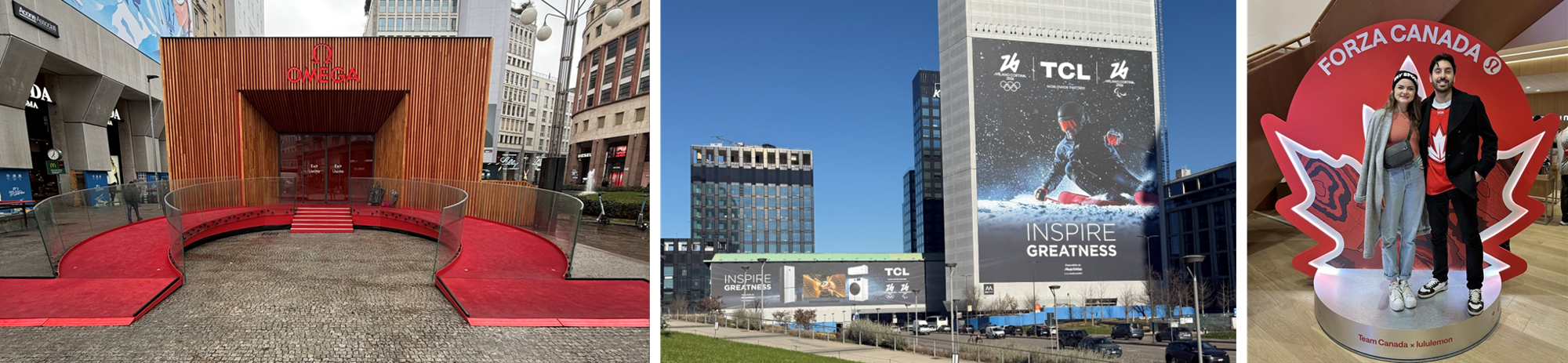
On the ground in Milan, what impressed me most was how Olympic partners used both city and venue environments to extend their reach. Brands like Omega and TCL had strong physical presence in central Milan, while in-venue integrations such as Corona's fan cams created simple, repeatable engagement moments. The activations that stood out most were those tied to behaviour, inviting participation rather than relying on visibility alone. At a global event where scale guarantees impressions, the sponsors that blended storytelling, physical footprint, and fan interaction appeared best positioned to generate lasting brand impact beyond the Games.