
Super Bowl LXROI
I am risking massive trademark issues by adding the ROI acronym to the Roman numerals representing the 2026 Super Bowl.
Hopefully, the event's patrons, who likely generated something in the neighbourhood of US$600 million for the Bay Area, will forgive me.
Whether you watched on TV, online, on social, inside Levi’s Stadium, or in a dive bar on 3rd Street as I did, you saw the big dollars at work. Touring San Francisco last week, you couldn't move without seeing an Old Spice brand activation, a fleet of limos ushering VIPs, lineups for free consumer experiences, or guests flaunting multiple credentials from the many events they attended.
You also couldn’t avoid the endless fleet of Waymos. You know, the driverless taxis built on Jaguar vehicles, with more tech attached than a teenager’s bedroom. While I didn’t try one, there was no escaping them. They were the subject of countless photos, disbelieving gawks, and the occasional step back to the curb just in case. Given the number of first-timers I met, Waymo should be ecstatic, as this was the product demo weekend a brand can only dream of. Waymo won the ROI prize for the people mover.
One of the best parts of Super Bowl week is the passion of football fans. The game’s connection to Americans feels unwavering, and the international growth is phenomenal. I ran into two Canadians in San Francisco that I had randomly met years ago in Dublin for a Steelers–Vikings game. The excitement around future NFL international games (hello, Paris) and flag football in the LA28 Olympics is palpable. The league has done an impressive job building new platforms.
I would remind the league, host cities, and organizing committees not to forget the fans who can’t afford the VIP experiences during Super Bowl week. They are the ones paying the bills. As the platform continues to expand, accessible programming is critical. Keep the fire burning.
The Super Bowl is big business. So many official and unofficial partners show up to stage parties, events, meetings, and conferences. I attended several strong seminars, and one of my favourites focused on the behind-the-scenes work for major Super Bowl ads. Budweiser, Instacart, Pepsi, Toyota, Uber Eats, and Ritz shared their thinking and some key learnings. The most poignant takeaway: if you’re going to be in the Super Bowl, go big or stay home.
I also liked how brands such as Toyota and Michelob Ultra created campaigns that worked in the Super Bowl and across other major properties, including the Olympics. My favourites were Hellmann’s and “Meal Diamond,” both perfectly cast with Andy Samberg in the lead role. Unilever’s Jessica Grigoriou humbly acknowledged that while the team executed many elements well, including casting, they also benefited from cultural timing. The release of the film Song Sung Blue became part of the broader conversation, creating a zeitgeist-worthy setup for the campaign.
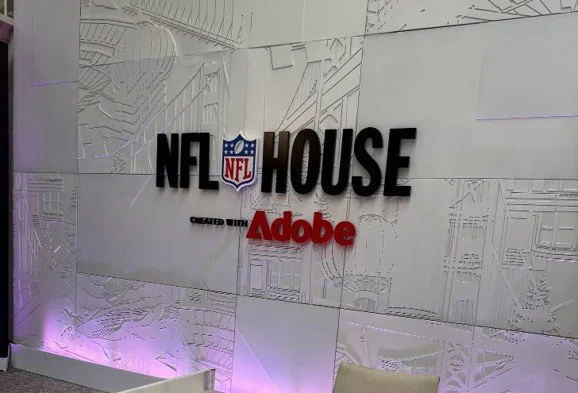
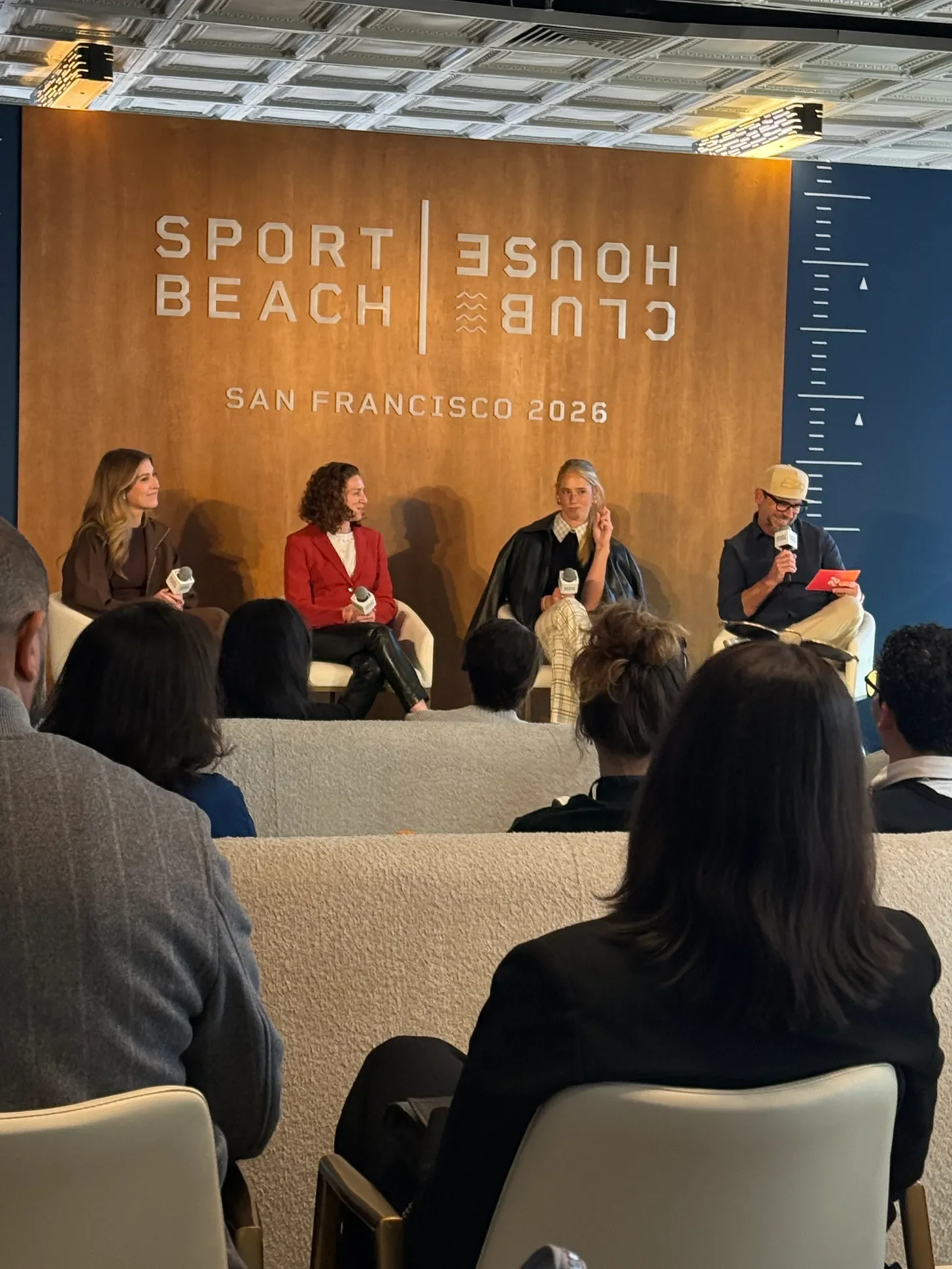
I have to hand it to the NFL for weaving purpose into as many aspects of the week as possible. The league’s CMO, Tim Ellis, spoke at the Sport Beach event about being an organization that opens its arms to everyone. That message came through clearly in the promotion of NFL Flag, celebrations of women in sport, and the staging of Culture Club. And then there was the Bad Bunny halftime show. Beyond being entertaining, it felt like what the world needed. The message of “Together we are America” and the closing reminder that “The only thing more powerful than hate is love” landed for many, and reflected a coordinated effort between the artist, the league, and the broadcast partners.
The ROI on LX was asombroso, in my view.
Thank-you Benito.