
Creating a Legacy of Fandom
Will the 2026 FIFA World Cup create a new legion of soccer fans in North America?
How long after the FIFA World Cup leaves North America will we understand its legacy?
Legacy benefits are the loudest arguments for hosting global events: new and/or improved venues for events, teams, and training camps; new facilities that support grassroots initiatives; tourism driven by future exposure to global audiences, and projected increases in youth participation.
What about fandom? Has the 2026 FIFA World Cup delivered enough drama, excitement, tension, and entertainment to significantly grow fandom in the three host countries? Even in Mexico, where soccer is by far the most popular sport, 63% of Mexicans say it's their most popular sport in Nielsen’s “The Fans Behind The Game: FIFA World Cup 2026 Edition,” there is still significant room for growth in monetization through categories such as streaming or sports betting. In Canada, where soccer ranks 3rd in popularity at 37%, and in the US, where it ranks 4th at 31%, there is significant room for growth.
The question for every soccer marketer in those countries is: will it happen?
Zappi reports that 64% of World Cup fans in the US are casual, and only 13% are avid. How will the sport keep these people engaged after the tournament?
We know that World Cup fandom is a multifaceted mix. Many fans on this continent support the country of their birth or heritage as their primary choice, with the country they reside in as a secondary choice. Those choices, of course, flip during the tournament depending on who is playing whom and when. That applies more strongly with male fans. Female fans, on the other hand, tend to be more player-oriented, especially younger female fans. Hispanic fans, not surprisingly, are heritage-driven, and Black fans are player-driven.
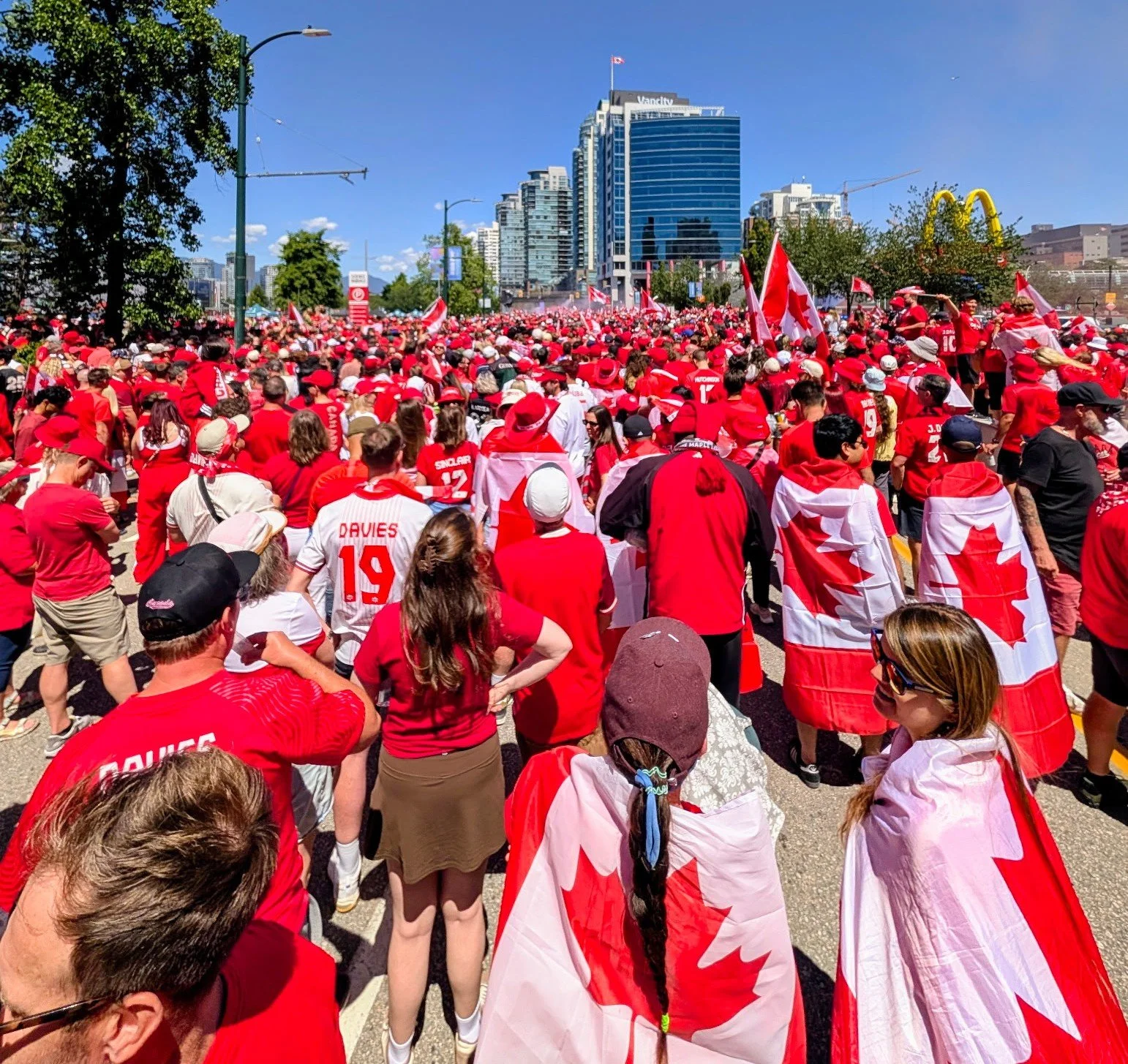
Social belonging is clearly a massive driver of World Cup fandom. It is what causes thousands of people who have never seen a game in their lives to march around a host city, attend a watch party, skip work to watch, paint their faces, and buy jerseys. This is no surprise: the world's most international sport is also the world's most patriotism-driving sport.
How will marketers across the continent translate this national excitement into the type of fandom needed to secure club fans? Is it possible to turn this moment into a weekly habit of watching a club match? Will cheering for the flag be easily replaced by admiration for the skills and prowess of pro soccer players?
Samford’s Center for Sports Analytics launched a longitudinal study on this very topic, titled the “4P Soccer Passion Model” (“Pipeline for Producing Permanent Passion”), which describes four stages Americans move through as casual World Cup interest turns into sustained soccer engagement. I am eager to see the results.
Anecdotally, I have had friends mention they plan to find a club to cheer for after this World Cup. I am calling it the Drive to Survive effect. The World Cup has been like a Netflix drama, with each round a new season and each game within a round an episode of that season. The World Cup is dramatic TV with a side of sport. Just like the F1 series. Now that fans have gotten to know the players in this movie-like moment over the past month, will they want to keep up with them week in, week out?
In that, I believe, lies the answer. The clubs, leagues, and broadcasters that get to showcase the stars and storylines from the World Cup will benefit in the future. A friend at lunch the other day was fawning over Norwegian star Erling Haaland. He capped his praise with the very American-inspired compliment, “Haaland could play in the NFL!”, and then added, “I am going to start watching him from now on.”
The anthropologist in you may want to start tracking the storylines from North American stadiums back to home pitches and see where that leads.
This will be the good news, bad news for Canadian and American domestic leagues. Teams that feature World Cup players have an obvious springboard. Teams that can tap into heritage communities will have an opportunity, though a challenging one, and should also be rewarded. The women’s leagues will need to convince fans that the excitement of 2026 should get people watching their product now, as an early tune-in for the 2027 Women’s World Cup in Brazil.
We are a few years away from truly measuring the impact of the 2026 Men’s World Cup on soccer on this continent, but the expanded tournament and increased country representation will likely be among the biggest drivers of fandom if they materialize in future years.