
Sponsorship and Technology: What’s Happening?
In all aspects of business, society, and personal life, we are inundated with reports, comment, media, and chats about how technology is impacting all of us, and in a volatile and short-term way.
As an example, we know well the ever-changing impact of AI and how much it shifts in short periods of time. For instance, just 6 months ago, the "death" of programming and the software engineer was widely touted, but now, high tech CEOs are raving about the productivity increase of the software engineer and their enhanced productivity. Of course, this is for engineers with experience and the ability to manage a team of bots, as a June 2026 quote from NVIDIA CEO Jensen Huang in Bloomberg who said, "The number of engineers, software engineers, is actually increasing. People talk about AI reducing jobs. Complete nonsense. It's causing more software engineers to be hired… Because the output [software engineer productivity] is so incredible, people want to hire more… AI is doing nothing but creating jobs."
Switching to what we care about, and with the stage set by software engineers, the similar "reality" is hitting sponsorship in a profound way. I'd like to discuss three major themes in sponsorship technology that I am seeing.
First, and this is evident in many sponsorship studies, over the past 5 years we have moved to a much more "digital" world, whether it is apps for evaluation, drones to capture usage, AI assessments of target markets, digital marketing activations, or streaming of sponsored properties with geo-targeted activations (e.g., Digitally Enhanced Dasherboard (DED)), and/or web-only activations. Yes, core experiential sponsorship efforts (e.g., live events) remain essential at certain stages of the funnel, but initial awareness efforts are almost entirely digital. The recent sponsorship battle around the 2026 FIFA World Cup amongst Adidas, Nike, and PUMA is a prime example, where each secured the rights to the event, players, and federations, then leveraged them with massive digital campaigns on every channel you can think of.
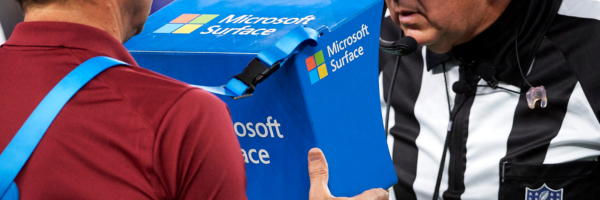
Second, unlike a decade ago, tech companies are getting into sponsorship in a significant way. Sure, they bought banner space and did some co-promotions around music or sport, like Microsoft's partnership with the NFL, which for years was about product placement on the sidelines and in coaches' hands. However, today this has changed completely. Microsoft's NFL partnership centers around Copilot, Revolut (fintech) is the title sponsor of the Audi Formula 1 team, Amazon Web Services (AWS) partners or has partnered with numerous leagues (e.g., NBA, WNBA, G League, Bundesliga, F1, PGA, NWSL, and more), and IBM is the Official AI and Cloud Partner of the 2026 Grammys. Many of these tech companies are new to sponsorship, which is a most exciting development for our industry. Interestingly, tech companies are using sponsorship within their own tech world (i.e., large and niche tech firms' sponsorship technology conferences) as well as in very strategic partnerships, such as the recently signed partnership between cybersecurity firm ReliaQuest and the Atlantic Coast Conference (ACC) of the NCAA, naming ReliaQuest their official cybersecurity sponsor. Interestingly, Disney (via its sports network ESPN) is a co-sponsor in this partnership.
Third, the number of new tools that could be classified under the heading of "automated workflows" is extraordinary. There are so many it would be impossible to list, but as a few examples, there are many to replace work processes like spreadsheets, sponsorship evaluation, client management, sponsorship valuation, sponsorship sales, proposals, prospecting, fulfillment, and activation. Examples include PandoPartner, Elevent, SponsorCX, HubSpot, SponsorUnited, SponsorPulse, SponsorROI, Touchstone Nielsen, YouGov, IMI, Reló Metrics, and many more, as well as the various AI and general industry tools.
So what, you might ask?
Well, most importantly, this is VERY GOOD for sponsorship. We've optimized, we've grown, we've attracted tech firms, we are using an assortment of apps to help us be more efficient and productive (just like those software engineers), and the future is bright.
Just as SportTech has become a thing in sport (e.g., talent identification via drones and AI), should SponsorTech become a field of its own?
Author Bio:
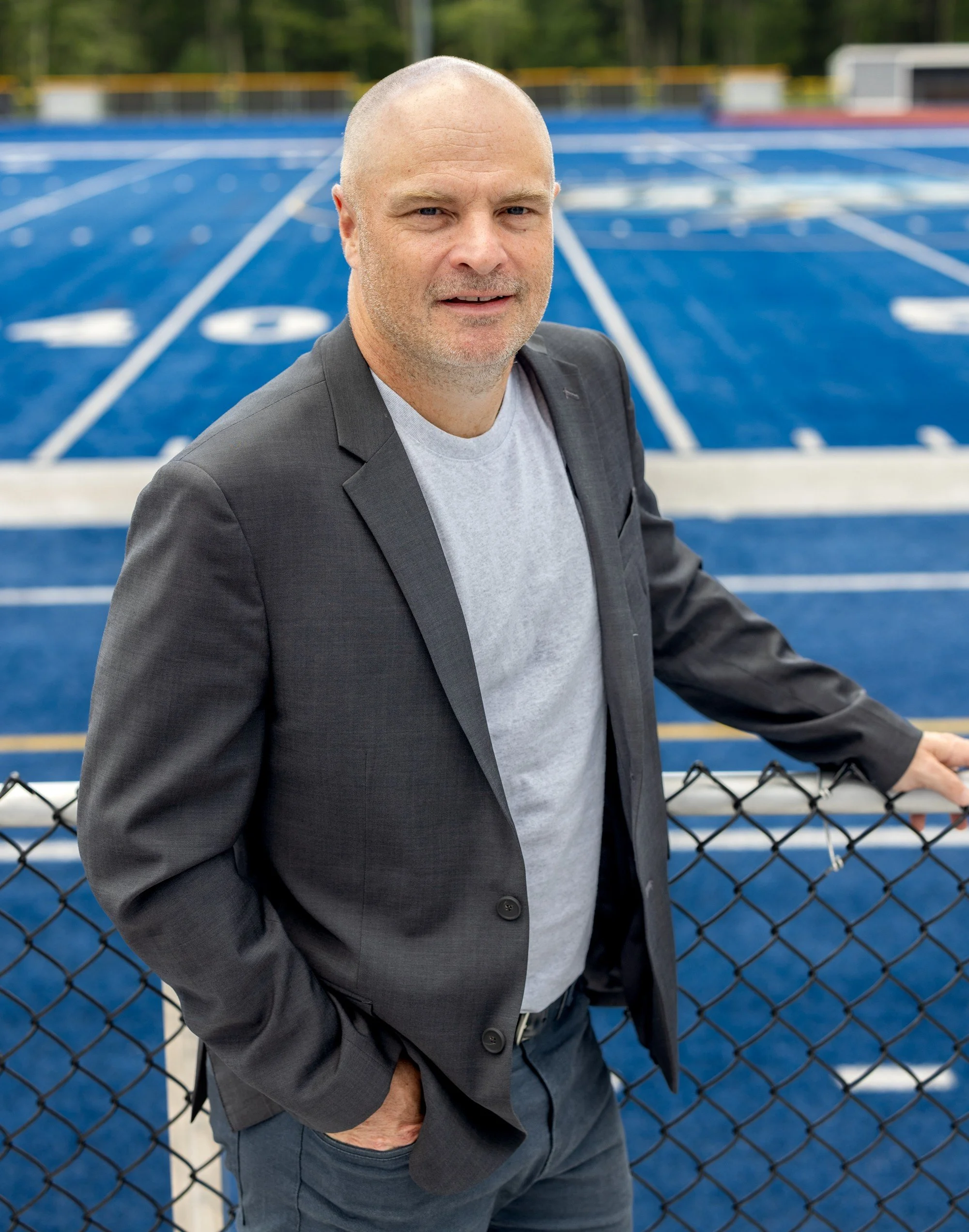
Dr. Norm O'Reilly has been a partner with the T1 Agency for almost 20 years. Over that time, he has worked on more than 250 client projects, ranging from Fortune 100 companies to small amateur sport properties and causes. He has generated insights as lead author of research studies, blog posts, and white papers, and has participated on the organization's leadership team. He speaks often, including keynotes to industry. As a T1 partner, he has led numerous projects with brands and properties, with a client list that includes PepsiCo, Nike, Shell, Esso, Canadian Paralympic Committee, Ottawa Sports and Entertainment Group, Canadian Olympic Committee, Mondelez, Kids Help Phone, Nissan, Hockey Canada, BMO, Dairy Farmers of Canada, USports, Canadian Centre for Ethics in Sport, Canadian Hockey League, and many more. He co-founded and has led the Canadian Sponsorship Landscape Study, now in its 20th edition, and was co-lead on Canada's Most Valuable Property Study in 2014, 2016, and 2018.
Dr. O'Reilly is also a sought-after academic and is recognized as one of the leading scholars in the business of sports. He will soon be joining the University of Florida as a Professor of Sport Management. He has authored or co-authored 22 books and more than 170 peer-reviewed journal articles. A certified CPA, O'Reilly holds a Ph.D. in management from Carleton University, an MBA and master's in sports administration from the University of Ottawa, a master's in global affairs from Arizona State University, and a bachelor's in kinesiology from the University of Waterloo.