
THE PURPOSE LEAGUE 17
CLASS OF ‘26
purpose league 17
The inaugural Purpose League 17 List recognizes individuals who are shaping the next chapter of the sports marketing business through the outstanding work that they are leading at the intersection of sports, business, and purpose.
INAUGURAL LIST REVEALED
The Purpose League 17 List will be celebrated at the Purpose League Summit, bringing together visionary changemakers to champion sports as a powerful vehicle for good - good for society and good for business.

Purpose League 17: Class of '26
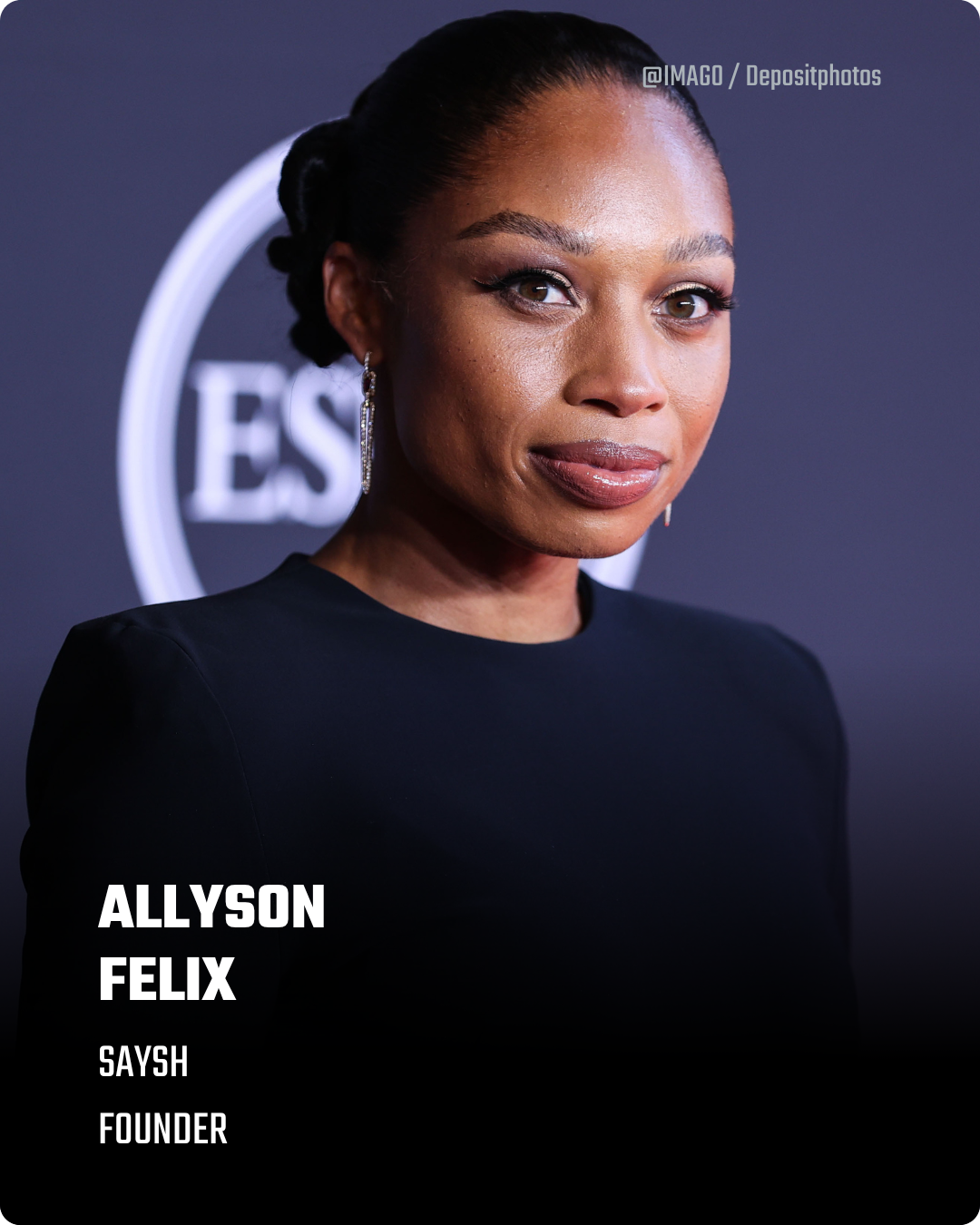
Allyson Felix combats systemic maternal discrimination, pregnancy pay penalties, and healthcare disparities through Saysh, a footwear brand tailored to women's anatomy. Centered on maternal equity, Saysh offers pioneering policies like free shoe resizing during pregnancy. By aligning her commercial ventures and endorsements with female-first advocacy, Felix proves maternal equity drives deep brand loyalty and enterprise value.
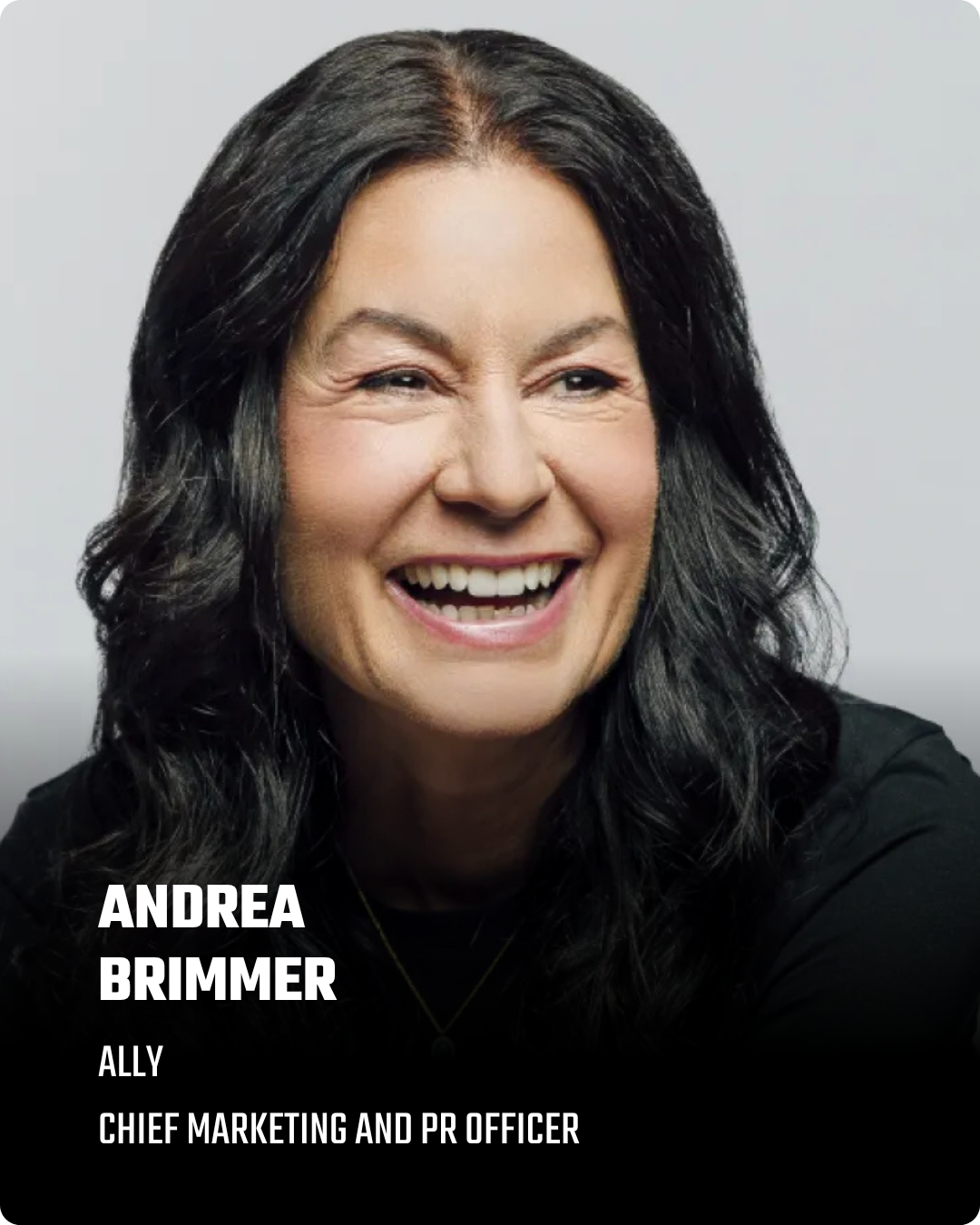
As Ally’s CMO, Andrea Brimmer led the 50/50 Pledge to equalise media investment across men’s and women’s sports, reaching parity a year early after increasing women’s sports spend 4.6-fold. The strategy demonstrates the commercial power of purpose: Ally’s brand value rose 40%, women’s-sports fans are 27% more likely to trust the brand, significantly lower CAC as a result of gains in preference, likeability and consideration.
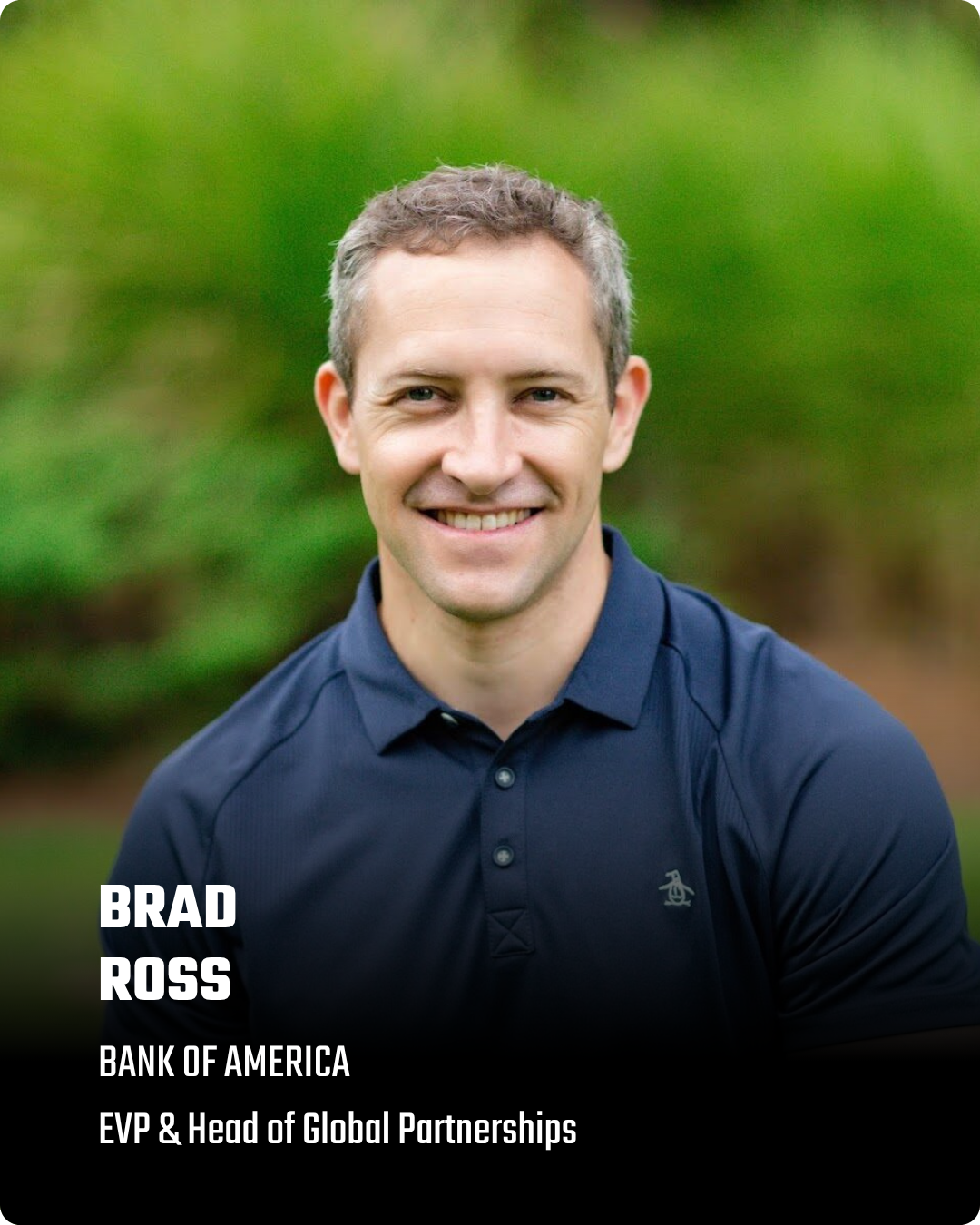
Brad Ross has helped position Bank of America’s Sports With Us platform as a way to extend the value of its FIFA World Cup 2026 partnership beyond the tournament. By aiming to support 10,000+ underserved young people across 14 countries through sport, skills and employment pathways, the initiative connects social impact directly to sponsorship strategy, strengthening the relevance and long-term value of the bank’s global sports investment at a community level and in the process reinforcing the banks social licence to operate.

Brentford Football Club exemplifies responsible sports leadership by blending data-driven innovation with measurable social and environmental impact. Operating on 100% renewable energy, cutting food carbon emissions by 85%, and leveraging data algorithms, Brentford drives both athletic success and community value. It serves as an inspiring, real-world case study for a Tier 1 sports property focused on sustainability and profitability.
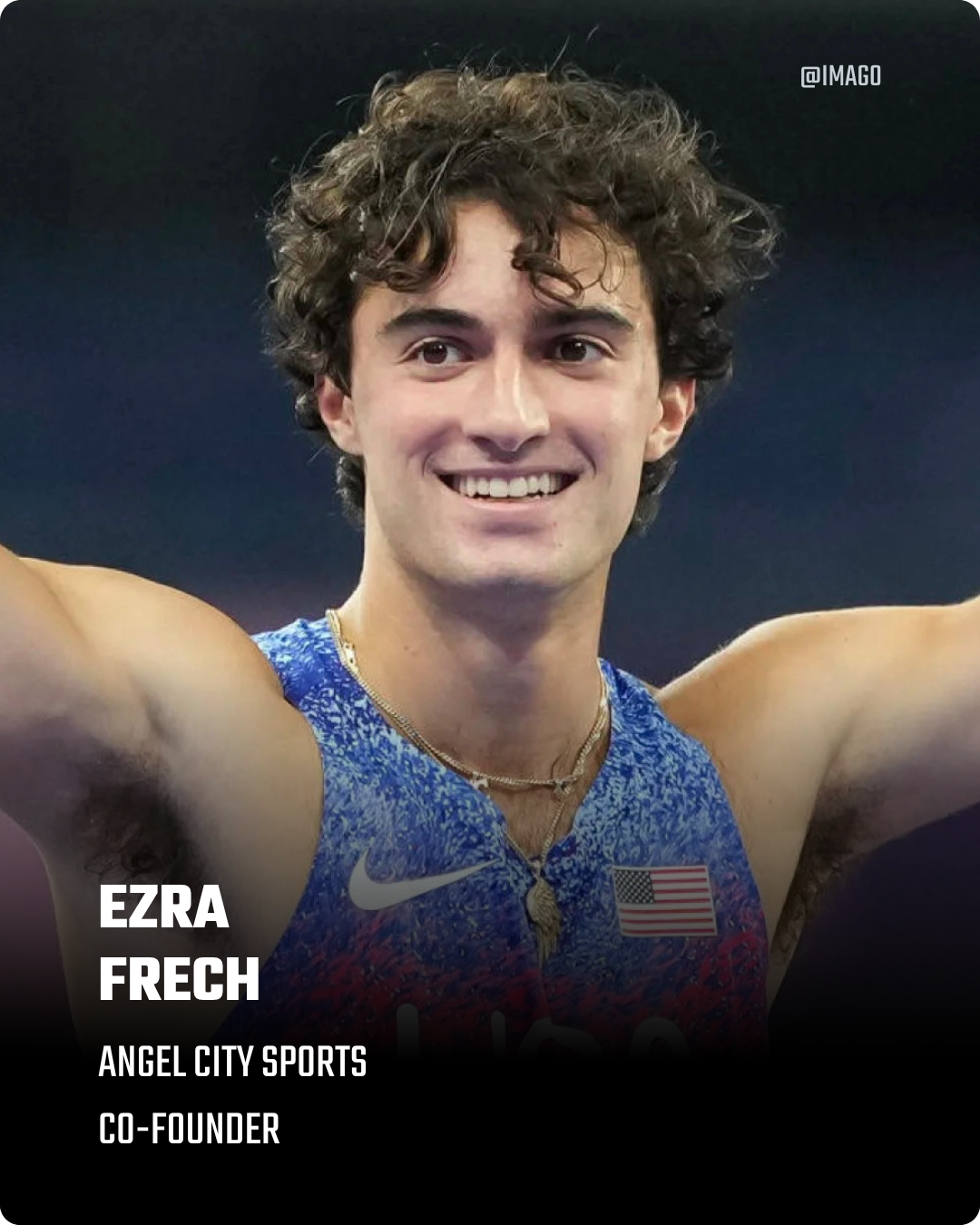
Two-time Paralympic gold medallist Ezra Frech co-founded Angel City Sports to tackle the access gap in adaptive athletics, providing free coaching, equipment and competition to more than 1,000 athletes annually. By building scalable infrastructure around an underserved sporting community, Frech has created a compelling purpose-led platform for partners and supporters while advancing disability inclusion nationally.
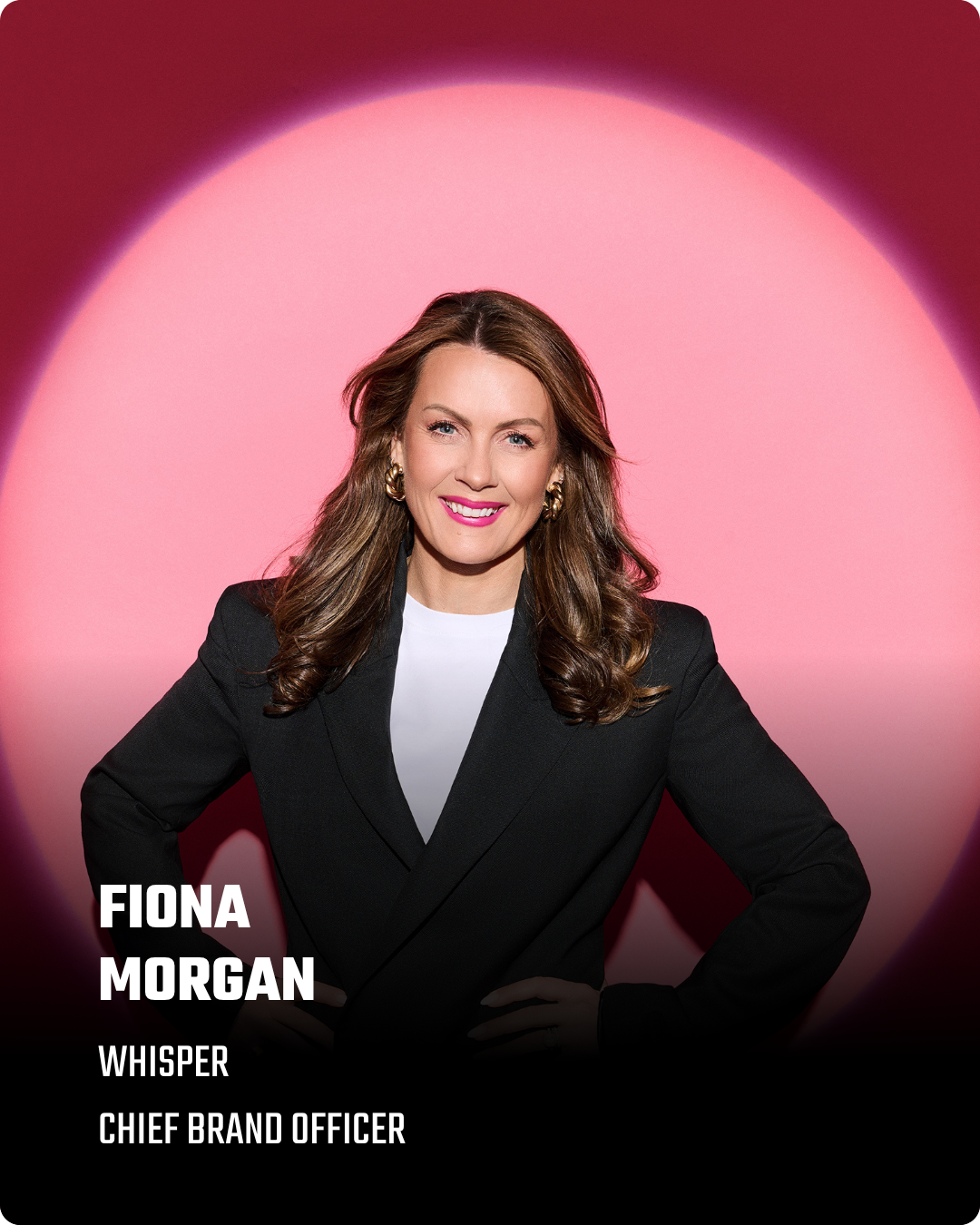
As Chief Purpose Officer at SailGP, Fiona Morgan embedded sustainability and inclusion into the competition itself through the Impact League and Women’s Pathway. Rather than operating as standalone CSR initiatives, they formed part of SailGP’s sporting and brand proposition, differentiating the championship and showing how purpose can create distinctive sponsorship inventory while driving environmental performance, social impact, and engagement. A pioneer in purpose-led growth, she remains a leading advocate for diversity and women’s sport, having founded Second Nature Sisters, a community dedicated to empowering women in purpose and their careers, and serves as an advisor to the British Paralympic Association.
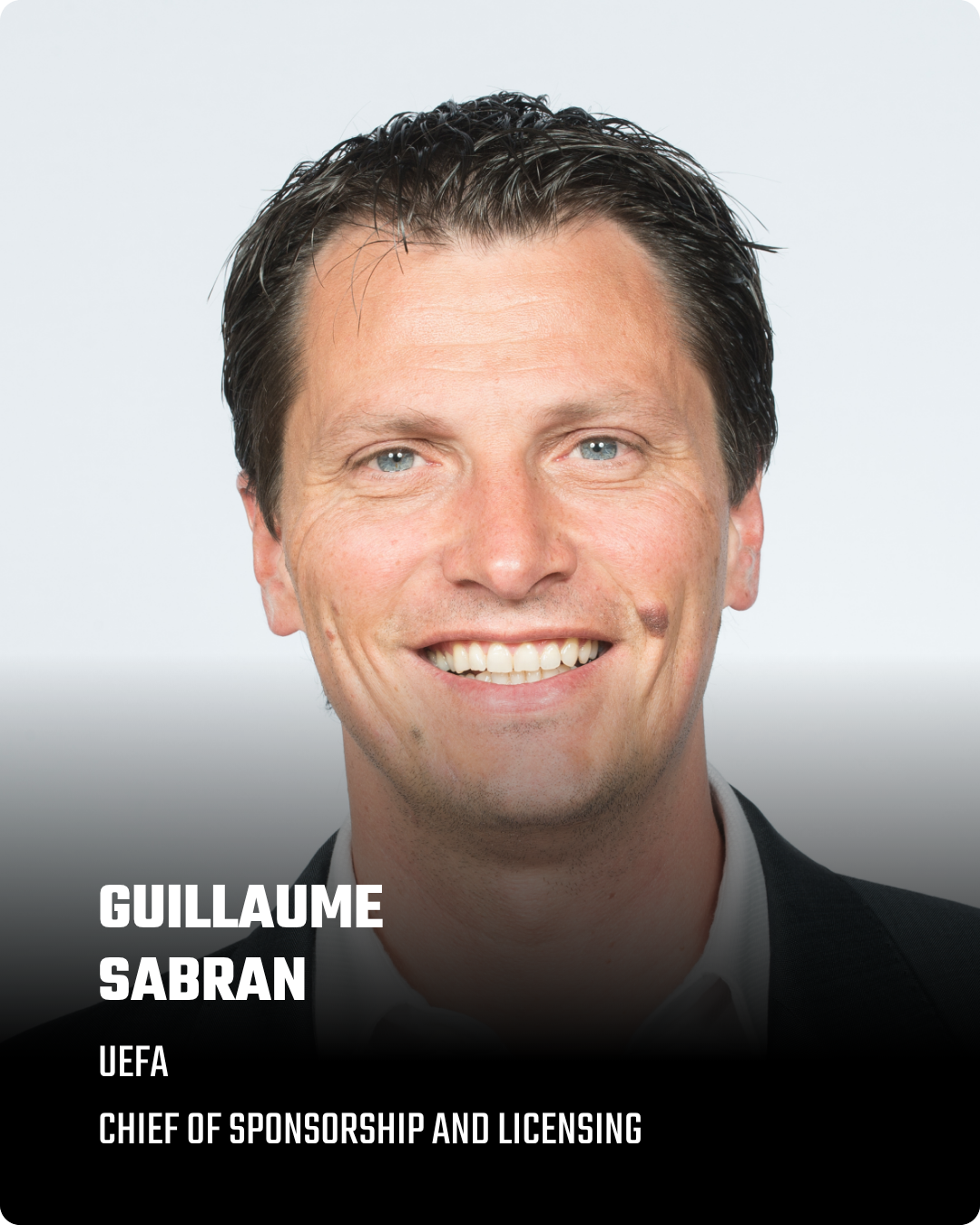
As Chief of Sponsorship and Licensing at UEFA, Guillaume Sabran helped evolve sponsorship from logo exposure into purpose-led strategic partnerships. Initiatives with partners including Schwarz Group, Lidl and PreZero connect commercial rights with grassroots participation, conscious nutrition and circular-economy solutions, making social and environmental impact part of the sponsorship proposition itself and demonstrating how purpose can increase the relevance, depth and long-term commercial value of UEFA partnerships at a structural level.
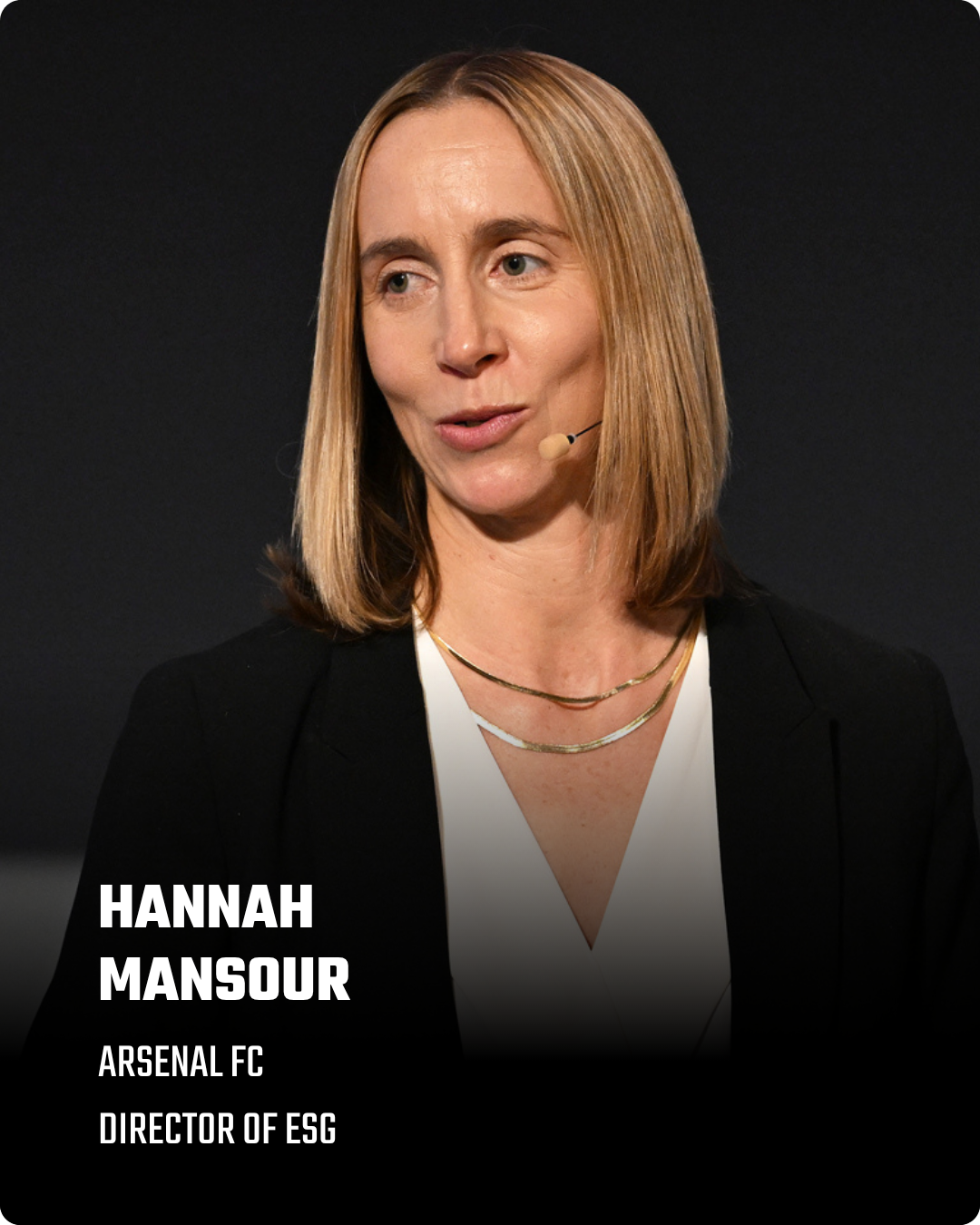
As Arsenal’s first Director of ESG, Hannah Mansour embedded environmental purpose into club governance, helping Arsenal become the first football club globally to secure SBTi approval for its net-zero target. By linking climate commitments with procurement, operations and supporter engagement, Mansour is turning sustainability into business discipline—reducing long-term environmental risk while strengthening Arsenal’s credibility with partners, supporters and other commercial stakeholders.
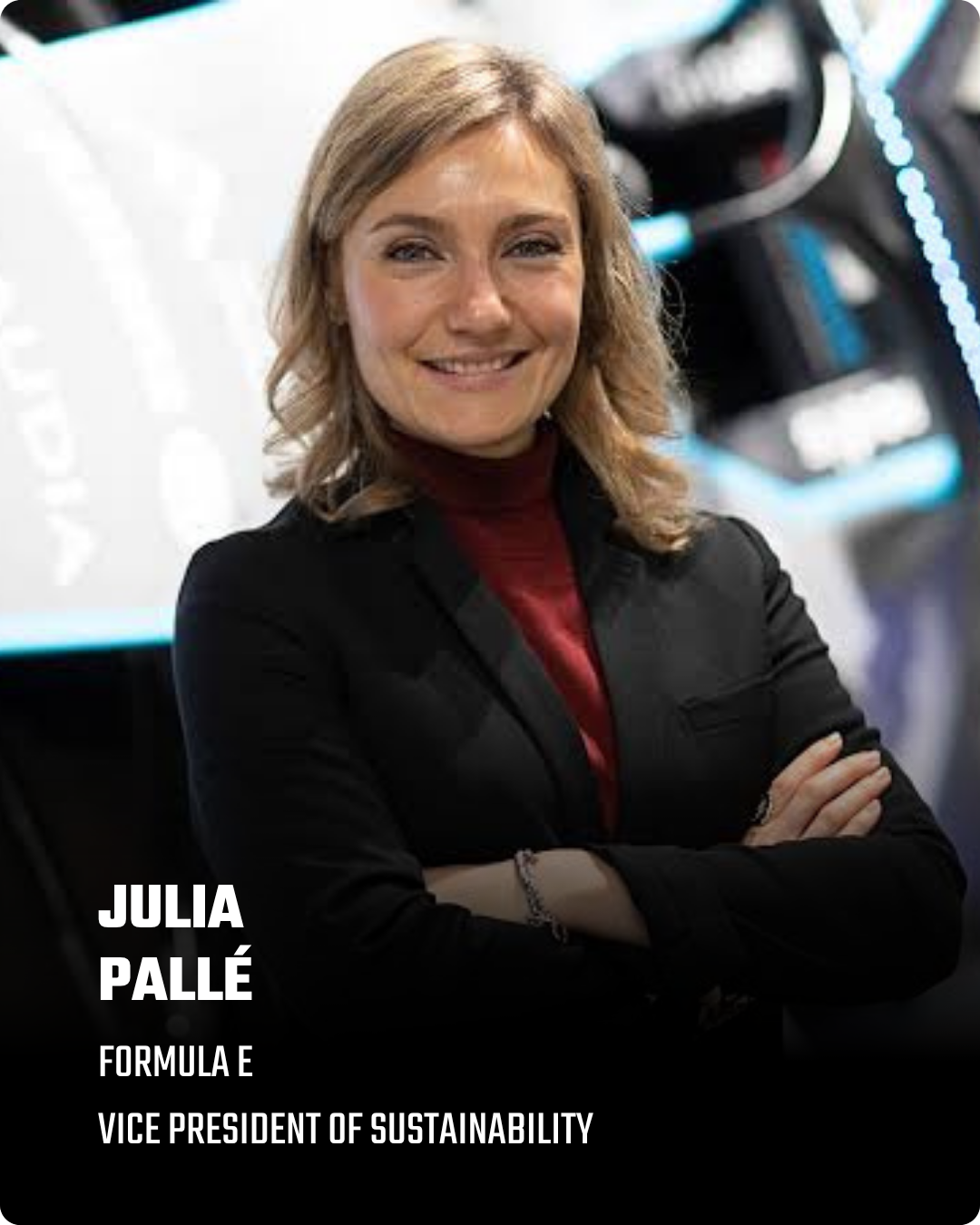
As Vice President of Sustainability at Formula E, Julia Pallé embedded environmental purpose into the championship’s core value proposition, helping it become the world’s first B Corp-certified global sport while maintaining net-zero carbon status since inception. By pairing rigorous sustainability credentials with commercial strategy, Formula E has differentiated its proposition to teams, fans and brands, helping attract tier-one partners and build long-term sponsorship value.
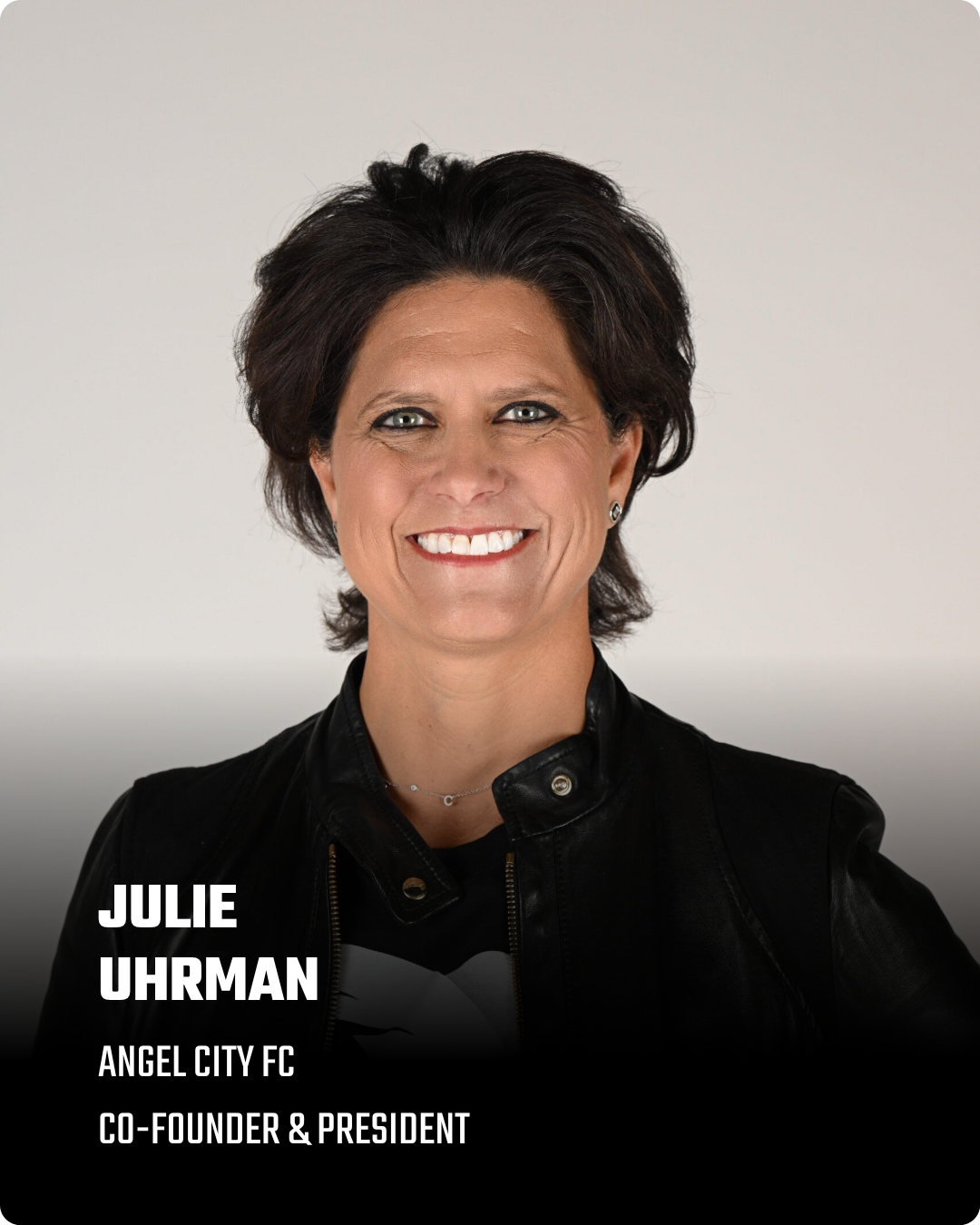
As Co-founder and President of Angel City FC, Julie Uhrman embedded purpose directly into the club’s commercial model through its 10% Sponsorship Model, directing part of every partnership into Los Angeles communities. The approach has generated more than $55 million in sponsorship (a sigificant amount before the team had even played its first match) while reinvesting over $3.5 million locally, demonstrating that social impact can strengthen—not compete with—the commercial value of a sports property.
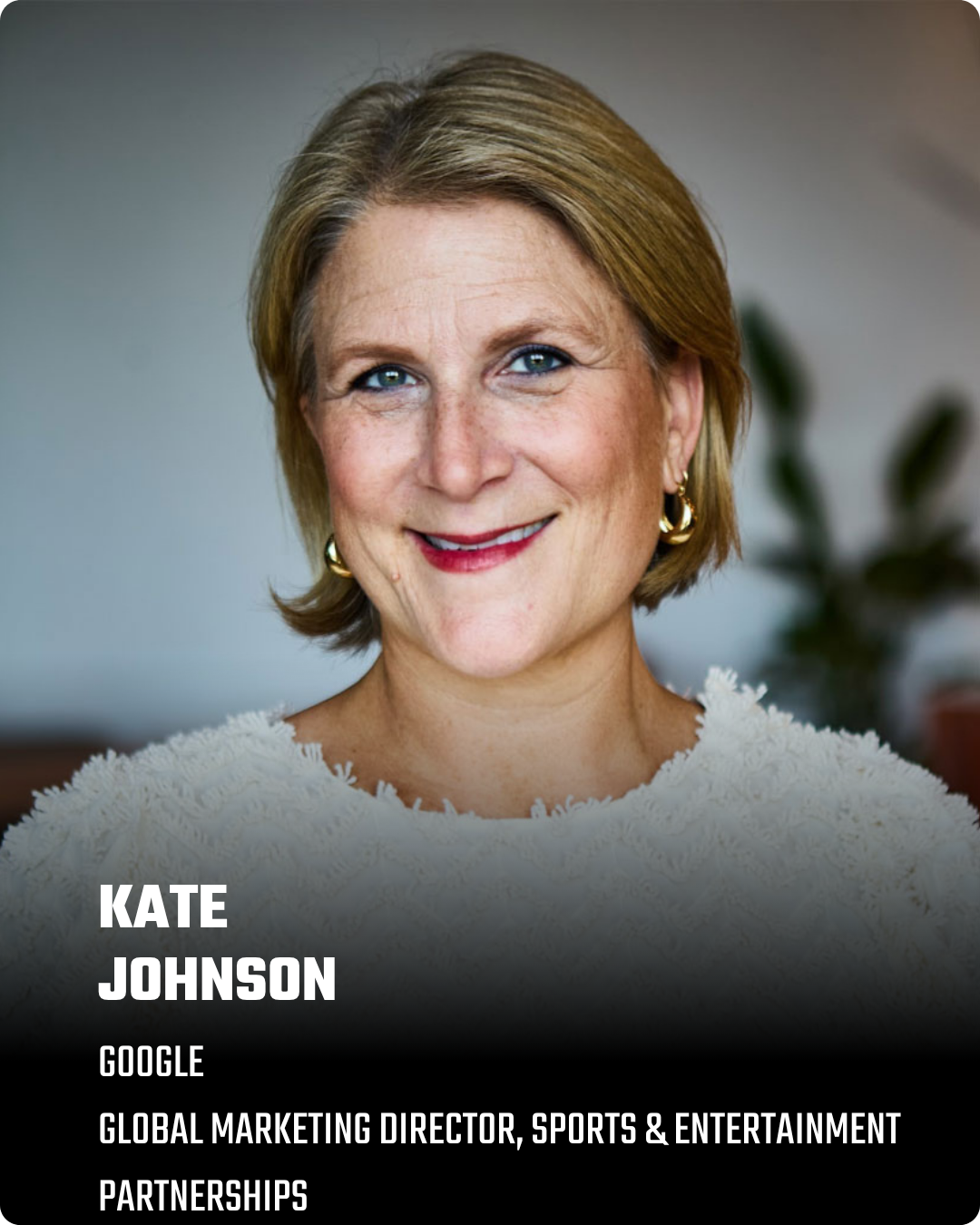
As Google’s Global Marketing Director for sports partnerships, Kate Johnson used major WNBA and NWSL partnerships to tackle the visibility gap in women’s sport, supporting broadcasts, Search discoverability and editorial coverage. By addressing an industry problem through Google’s core media capabilities, the strategy simultaneously grows the audience and commercial potential of women’s sport while making Google’s sponsorship investment more distinctive, relevant, strategically and commercially valuable.
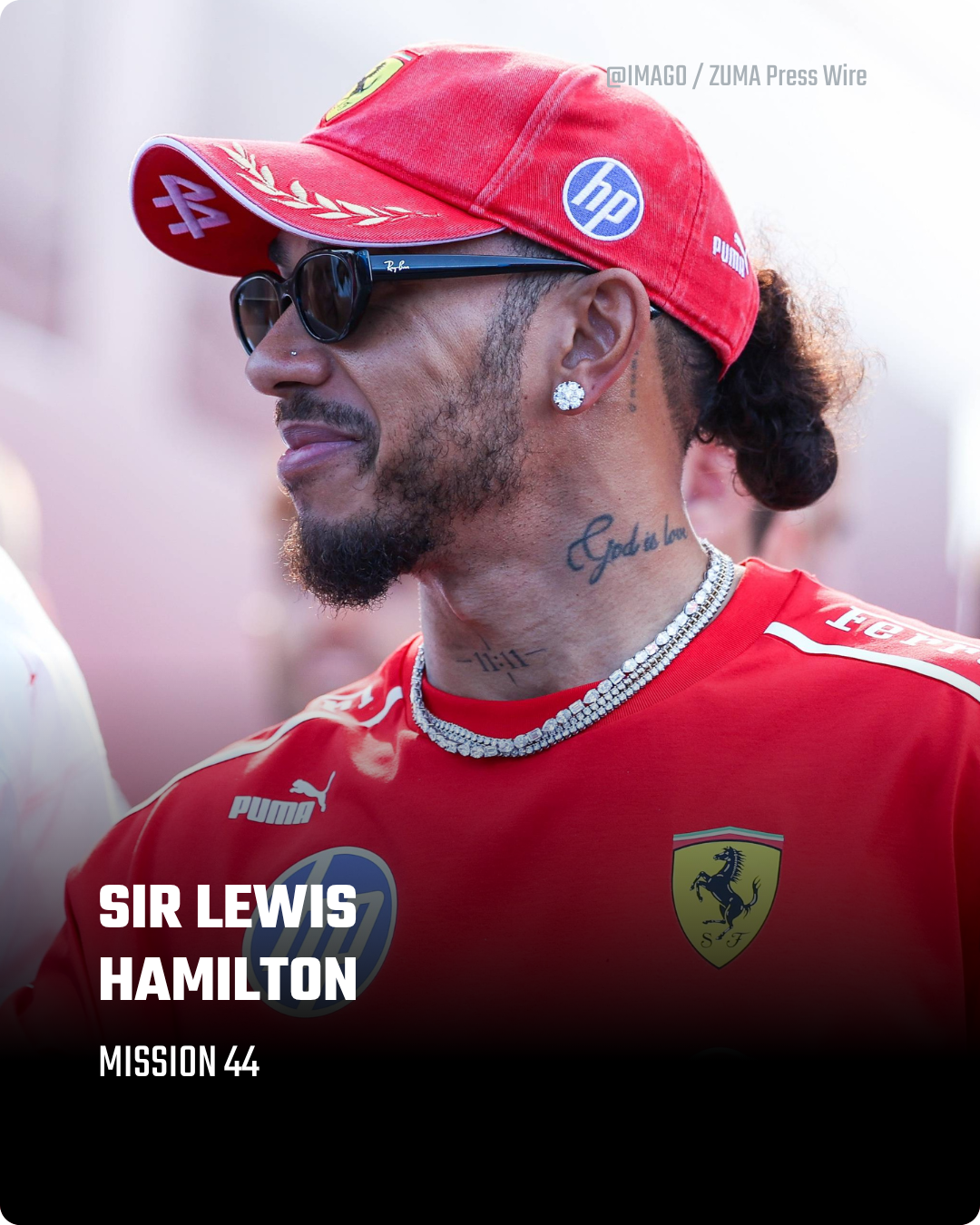
Sir Lewis Hamilton redefines modern athleticism by merging elite performance with impact-driven leadership. A seven-time Formula 1 World Champion, he leverages his global platform to advocate for diversity and social equity through initiatives like Mission 44. Concurrently, Hamilton turns purpose into enterprise—building high-growth commercial ventures and strategic brand partnerships that prove driving social change and business revenue are mutually reinforcing.
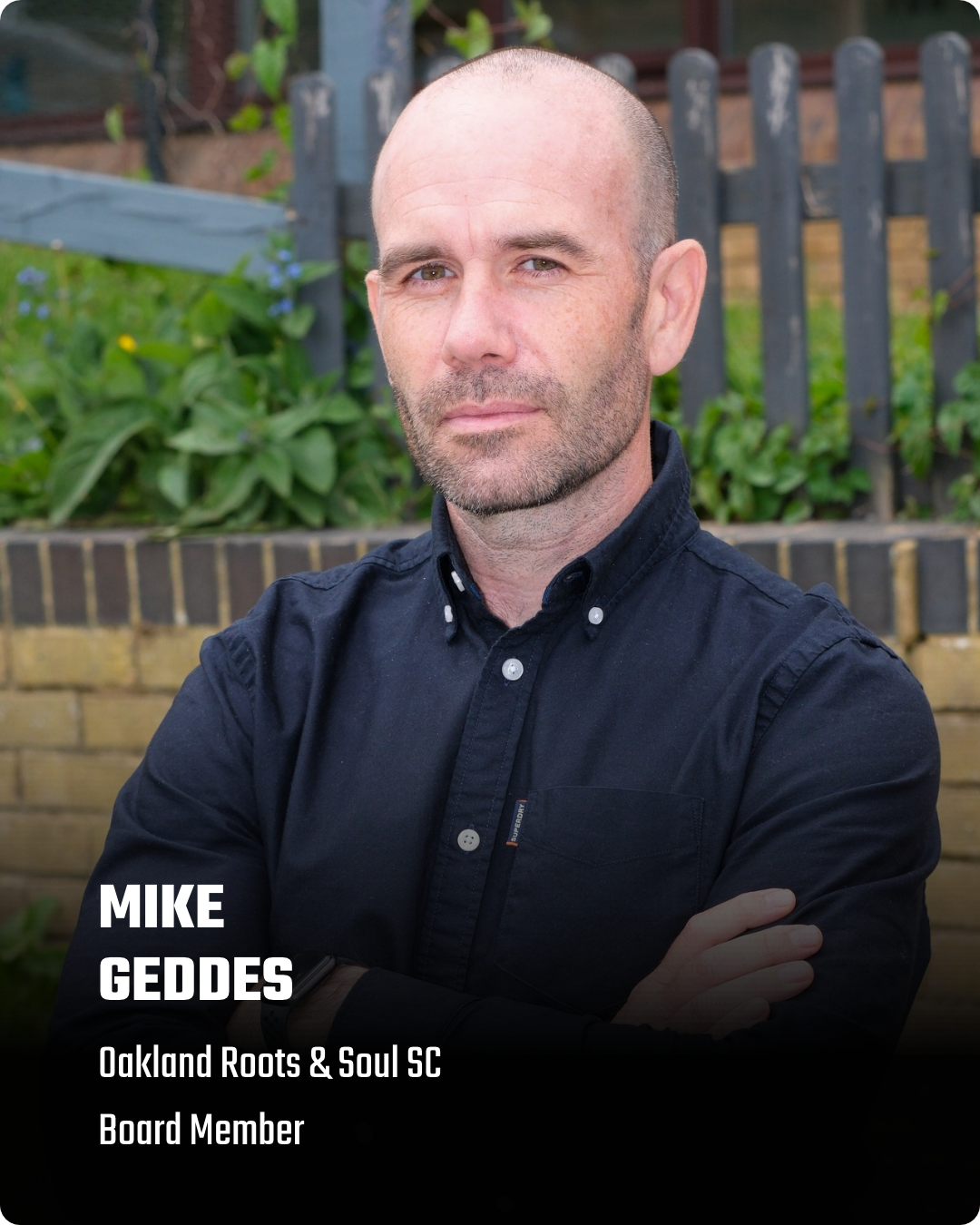
As Co-founder and former Chief Purpose Officer of Oakland Roots & Soul SC, Mike Geddes embedded community ownership and social justice as the purpose behind the club’s business model. That purpose-led proposition translated directly into commercial capital: more than 5,000 supporters invested over $3 million through equity crowdfunding, demonstrating how deep community alignment can create financial value, strengthen fan ownership and unlock new models of sports financing.
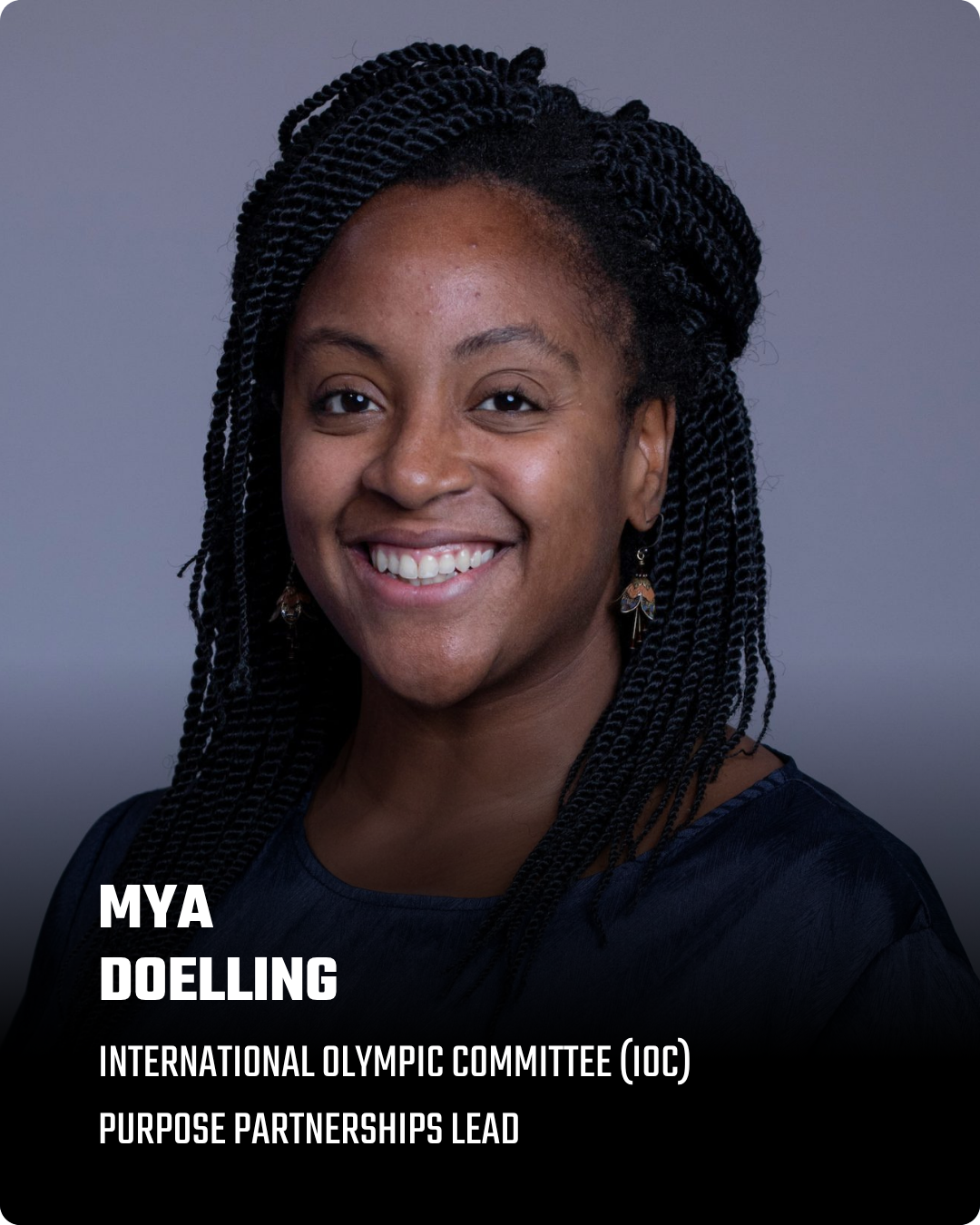
As Senior Partnership Manager and Purpose Partnerships Lead at the IOC, Mya Doelling helped architect a model that connects TOP sponsorship commitments with issues including climate action and gender equality. Initiatives such as P&G’s nursery for parent-athletes demonstrate how purpose can be built directly into global partnership activation, increasing sponsor relevance while turning Olympic commercial relationships into vehicles for tangible social impact.

As Head of Commercial Acquisitions at The FA, Richard Ames helped reshape commercial partnerships so that brands contribute directly to grassroots participation, gender equity and community access. By building purpose into major agreements with partners including Barclays, BT, EE and E.On, Ames has made social impact part of the commercial proposition itself—strengthening partner relevance while directing sponsorship revenues toward the long-term health and growth of English football.
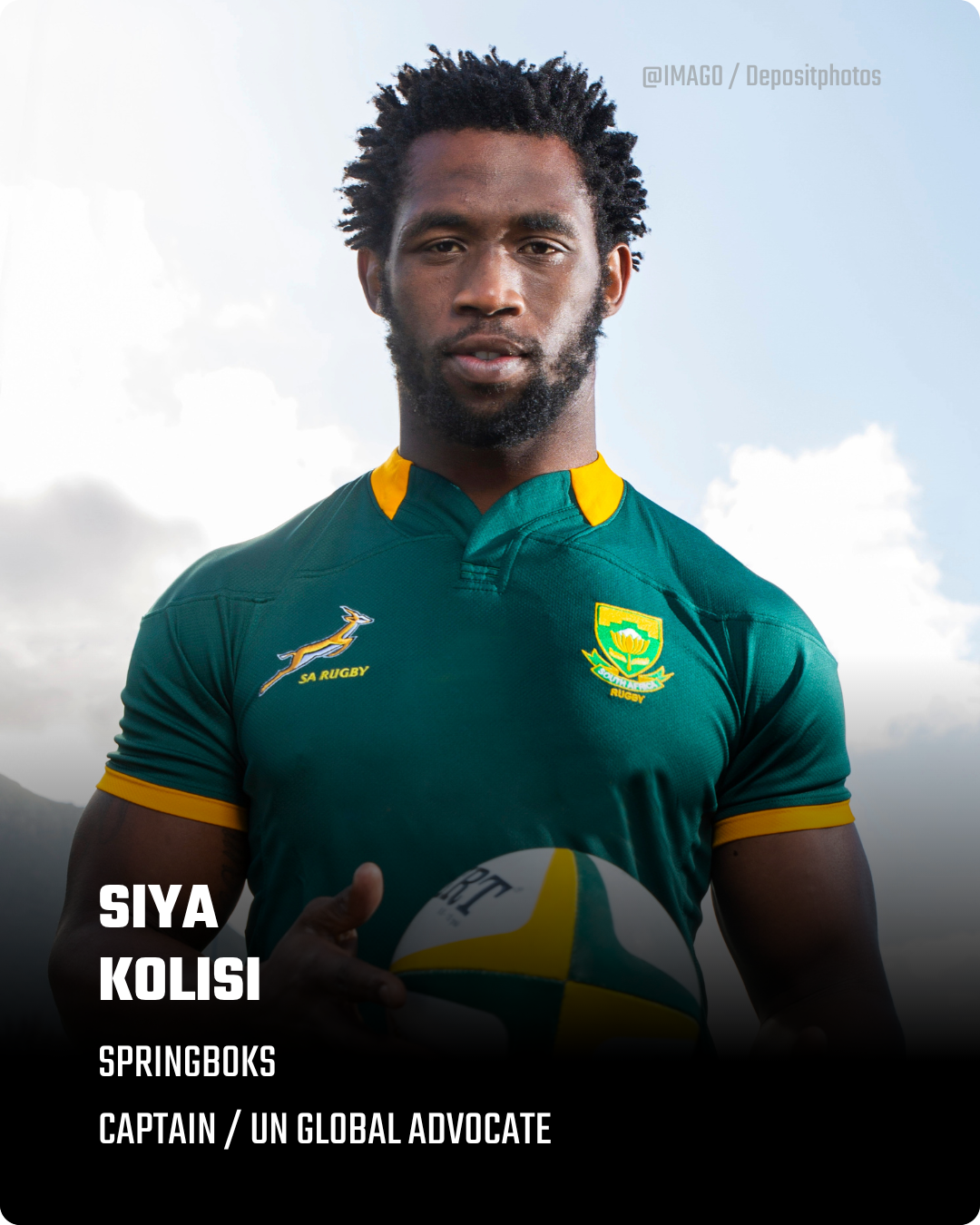
Siya Kolisi has dedicated his rugby platform to a purpose of nation building and driving structural social change, directing partnerships toward issues including education, sports access, food security and gender-based violence. Collaborations such as the Siyaphakama Zwide Schools Project with adidas demonstrate a model in which purpose is integrated into brand partnerships, allowing commercial relationships to deliver community value while strengthening Kolisi’s differentiated proposition to sponsors.

People's Choice: the final place on the Purpose League 17: Class of '26 is open to the people's choice. During this year's inaugural Purpose League Summit, we will ask delegates and speakers to place their vote for who they think should join the 16 individuals shaping the next chapter of the sports marketing business. The full list will be celebrated at an evening event on 15 October in London.
more info
The Purpose 17 List was created to recognize leaders who are actively transforming the business of sport into a force for good.
To curate this group, we evaluated market-shaping work across our networks against the following core criteria:
Systemic Change or Problem Solving - addressing a social or environmental problem through the work
Strategic Integration - embedding Purpose into the core business model as a central organising principal
Commercial Viability- delivering measurable business outcomes
Measurable Impact - tracking social or environmental outcomes with clear, verified metrics.
While informed by our deep experience across the sector, this list represents our own curated assessment of the standout leaders and initiatives driving meaningful change today.
For more information about the Purpose League 17 List, please contact us at spxpurposeleague@sponsorshipx.com

JOIN US FOR THE PURPOSE LEAGUE SUMMIT
Want to meet the leaders redefining the business of sport? Join us and 150 senior executives at The SPX Purpose League Summit this October 15–16 at Brentford FC’s Gtech Community Stadium in London.